Beyond the blind spots
A three-part mini-series with Dr Tracy Woodroffe
“There’s not going to be a need to talk about Indigenous education anymore, because it’s going to be Australian education, and it’s going to be about including everyone.”
Episode 1: Identity and Roots
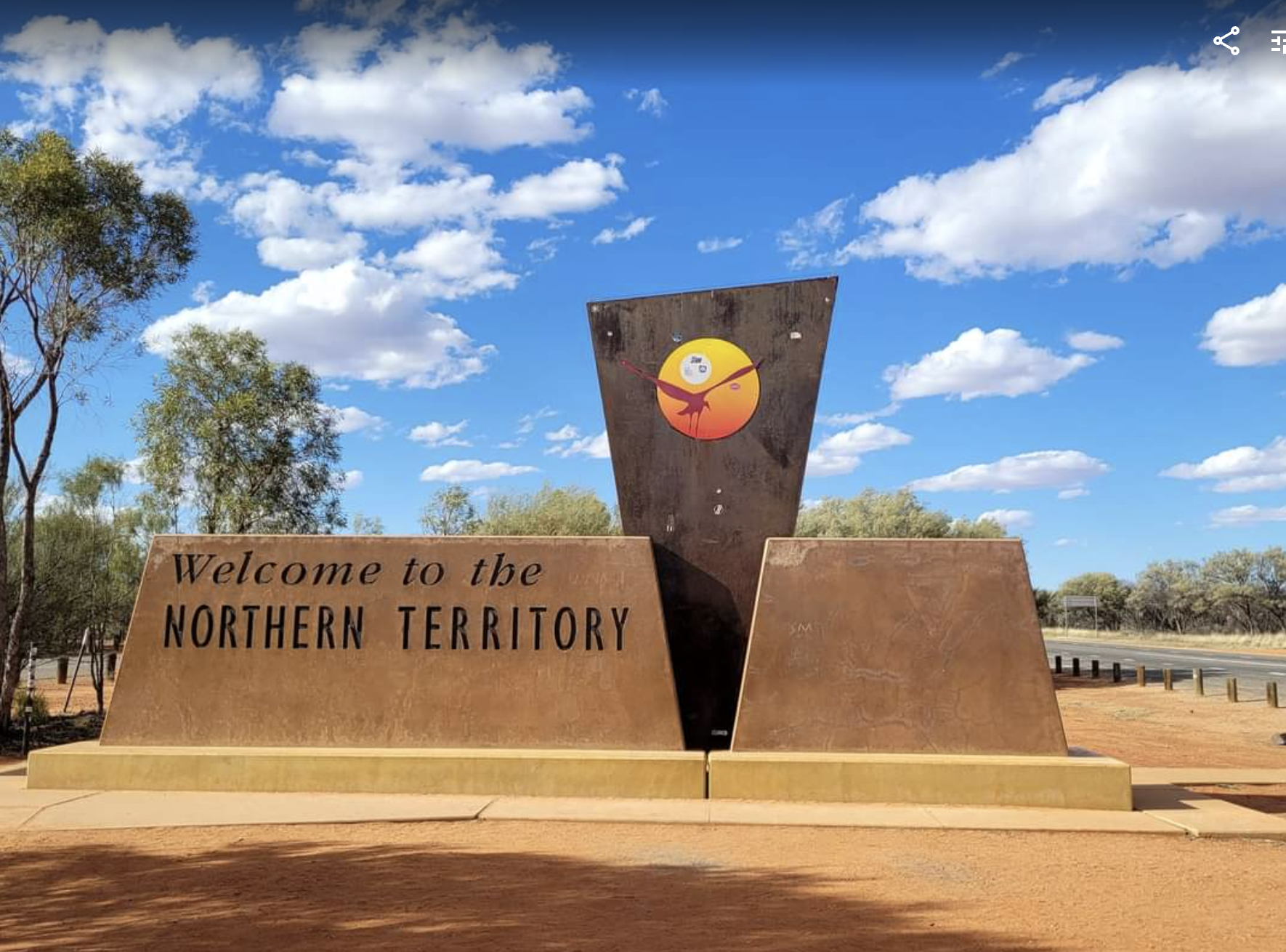
What does it mean to navigate two worlds? In the series, I sit down with Dr Tracy Woodroffe to explore the fluid and dynamic nature of Aboriginal identity. Moving away from outdated colonial labels, Tracy shares her personal journey growing up in Darwin, where indigeneity is the norm, and discusses how our ancestors and life lessons shape the "who" behind the educator. This episode is a beautiful reflection on belonging, family legacy, and the unique cultural heartbeat of the Northern Territory.
Episode 1: Identity and Roots Tracy and I discuss 'the two sides of the coin,' the legacy of the Stolen Generation, and how our ancestry and life lessons define who we are.
Episode 2: Policy and Poverty
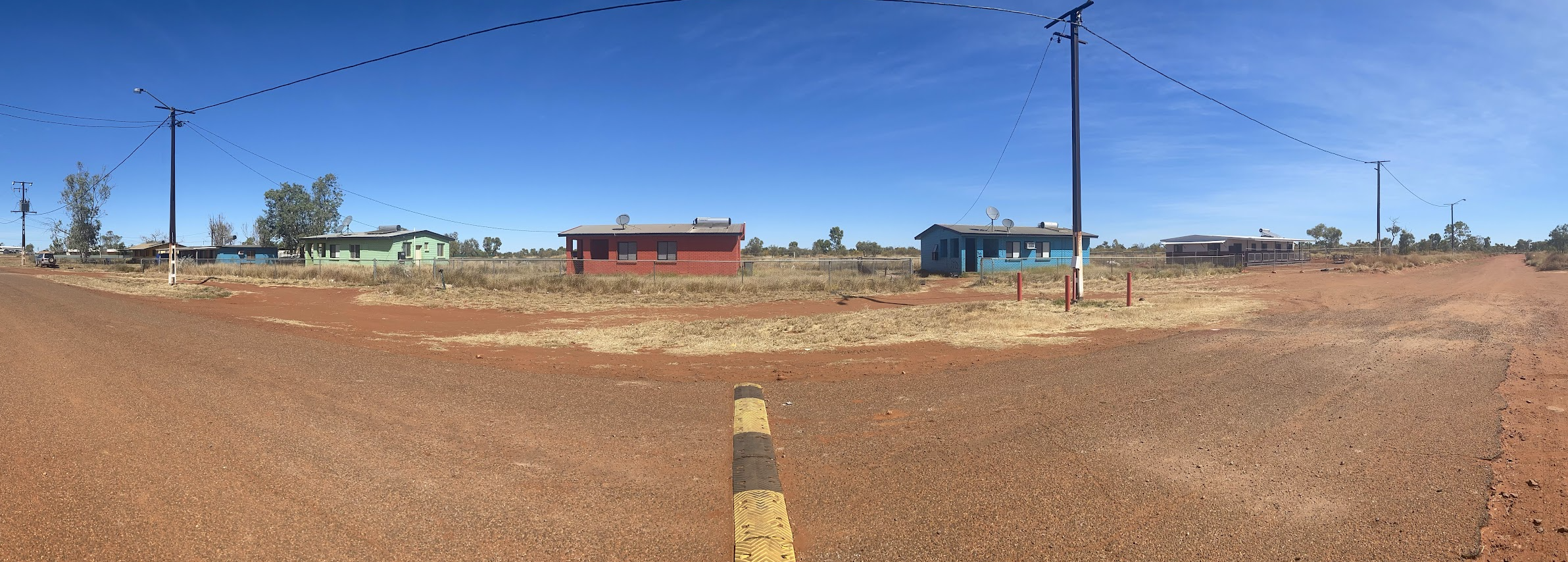
In this raw and honest dialogue, Tracy and I lean into the uncomfortable truths of the "Closing the Gap" framework. Is it a tool for progress or a colonial construct that misses the mark? We discuss the "blind spots" in national policy and the debilitating cycle of poverty in remote communities. From the high price of food to the grit required to live remote, this episode challenges listeners to move past "politically correct" speech and look at the real actions needed to drive change.
Episode 2: Policy and Poverty We discuss why 'Closing the Gap' is often a colonial construct and dive into the gritty reality of poverty in remote communities. It's an honest look at what it really takes to drive change.
Episode 3: Innovation and Empowerment
The final episode shifts focus toward hope and practical innovation. Dr Tracy Woodroffe reveals why increasing the number of First Nations teachers is an urgent priority and shares a moving insight: students today want to be the teachers they never had. Discover Tracy’s understandings of metacognition, where young Aboriginal girls are being empowered with questioning techniques to take charge of their own learning. It’s an inspiring look at how mutual respect and student agency can redefine the future of Australian education.